Fog between the panes: what a failed seal in a house window means
If you can see mist or droplets and a cloth won't reach them, the problem is inside the glass unit itself.
October 21, 2026 · 4 min read
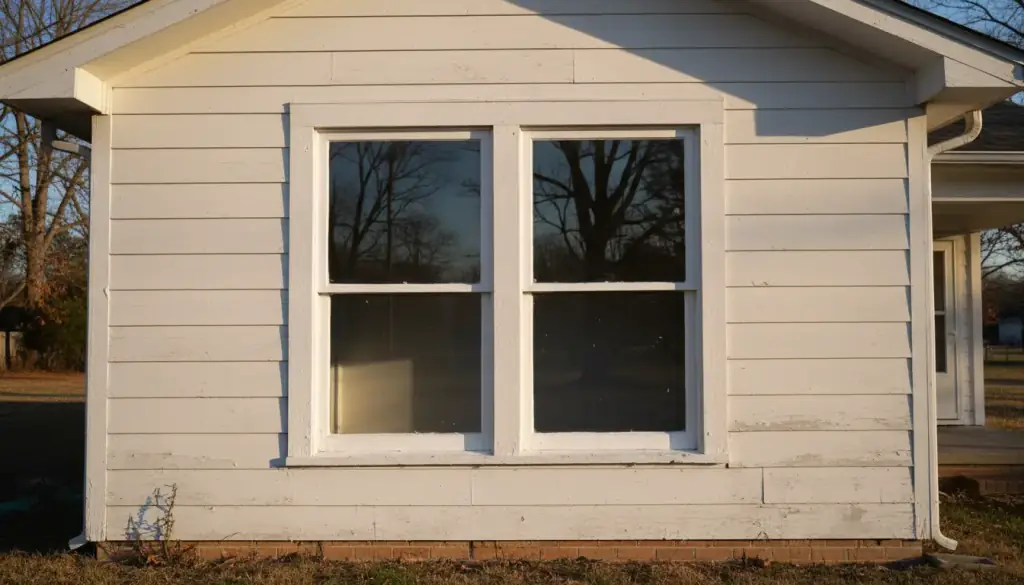
You walk past a window in the morning and it looks like someone breathed on it. You wipe the glass and nothing changes. You try the other side. Same thing. The haze is between the two sheets of glass, in a space you can't reach, and it isn't going to wipe off.
That's the classic sign of a failed seal in a double pane window. It's very common in houses with older insulated windows, and the good news is that it's usually a slow problem, not an emergency. Still, it's worth understanding what is happening.
What a double pane window is made of
An insulated window unit is two (sometimes three) sheets of glass held apart by a thin spacer frame, with a sealed gap in between. The gap is filled with dry air or, in some units, a heavier gas, and the whole thing is sealed around the edges. That sealed, dry space is what slows the movement of heat through the window. It's why a double pane window feels less cold against your hand in January than a single pane does.
Inside the spacer there is a drying agent that absorbs the small amount of moisture trapped when the unit was made. As long as the edge seal holds, the space stays dry and clear.
What fog is telling you
When the seal around the edge breaks down, humid air gets into the gap. The drying agent soaks up moisture until it can't hold any more, and after that the moisture condenses on the inside surfaces of the glass whenever the temperature swings. That's the fog. In bad cases you will see water droplets, or a chalky white film or mineral spotting that stays after the fog clears.
Seals fail for ordinary reasons. Sun beating on one side of a window day after day, big temperature swings between a hot afternoon and a cool night, a house that shifts slightly over the years, or just age. Georgia gives windows plenty of all of those. It's rarely a sign that anyone did something wrong.
You'll often notice it first on a window that faces the afternoon sun. It might show up in the morning when the glass is cool and humid air is at its heaviest, then fade by lunchtime and come back the next day. That coming and going is typical of a seal that has started to fail.
What it doesn't mean
- It doesn't usually mean the whole window frame is bad. Often the frame and sash are perfectly sound and only the glass unit has failed.
- It doesn't mean the glass will shatter. Fog is a loss of insulating performance and clarity, not strength.
- It's not condensation on the room side or the outdoor side. Those wipe away. Fog between the panes does not.
Your options, in general terms
Once a seal has failed, the sealed space can't be reliably restored. You will see some products and services that claim to clear the fog, and your results may vary. The usual long-term fix is to replace the glass unit. In many cases that means a new sealed glass unit set into the existing frame, which lets you keep the frame and trim you already have. Sometimes the frame itself is worn out, rotted, or warped, and then it makes sense to replace the whole window instead. A person looking at the window in person can usually tell you which situation you're in.
The decision often comes down to how the rest of the window is holding up. Does the sash still slide smoothly? Is the wood or vinyl in good shape? Does it close tight? If the answer to all three is yes, replacing only the glass is often what makes sense. If the frame is soft, cracked, or sticking, the glass is only part of the story.
What to do while you decide
A fogged window is more of a nuisance than a hazard, so there's no need to rush. Still, a few things are worth doing. Take a photo of the fog at its worst, since it comes and goes and shops like to see it. Note which window it is and which direction it faces. If you have several windows from the same era, check the others. A seal failure in one often means others are not far behind, and you may want to plan the work in one visit.
And measure nothing yourself unless you're asked to. It's tempting, but a glass unit has to be sized from the actual opening and the existing unit, and the person doing the replacement will want to confirm those measurements on site.
Who handles this
Middle Georgia Glass Works' own shop board reads “Home / Auto Glass Replacement” and “MOBILE SERVICE,” so home glass sits right beside windshields in what the shop does. The home glass replacement page covers the residential side, and you can call (478) 956-0111 to talk through what you're seeing. It helps to have the photo handy when you do.
Middle Georgia Glass Works, (478) 956-0111
Call (478) 956-0111More articles
Rock chip or new windshield: how to tell which one you have
A small chip and a long crack look like the same problem from the driver's seat, but they usually end in very different places.
The first hour after a rock hits your windshield on the interstate
What you do in the first hour decides how many options you have left, and most of it costs nothing.